




Recovery after a Solea laser procedure is usually shorter and simpler than after the same procedure done with a drill or scalpel. For many cavity treatments there is no lingering numbness, so you can eat and talk normally right away, and for gum and soft tissue procedures the laser seals tissue as it works, which typically means less bleeding, no stitches, and fewer days of tenderness. Your exact recovery still depends on the procedure, how much tissue is treated, and how closely you follow aftercare instructions.
At Beechnut Dental Care, we use Solea laser dentistry for many fillings and soft tissue treatments. Patients often ask us what the hours and days after their visit will actually feel like, so this post walks through a realistic recovery timeline, how it compares with traditional methods, and what you can do to heal comfortably. For a broader look at how the tools themselves differ, see our comparison of traditional dental tools and Solea laser technology.
Why Recovery Differs After a Laser Procedure
Solea uses concentrated light energy instead of a spinning drill or a blade. On teeth, it removes decay without the vibration and pressure of a handpiece, which is why many cavity preparations can be done without a numbing injection. On gums and other soft tissue, the laser cauterizes as it cuts, closing small blood vessels and nerve endings at the treatment site.
Those two differences drive most of the recovery advantages. Without anesthesia, there is no hours-long numbness to wait out. With sealed soft tissue, there is typically less bleeding, less swelling, and no sutures to care for or have removed. A 2025 systematic review of laser-assisted gingivectomy found that lasers consistently controlled bleeding better than scalpels and reduced the need for sutures and injected anesthesia, while results for postoperative pain and healing speed varied by laser type.
A Realistic Recovery Timeline
Every mouth heals at its own pace, but most patients can expect the following general pattern after a Solea procedure.
The First Few Hours
After a laser filling done without anesthesia, you can usually eat, drink, and speak normally as soon as you leave. If a small amount of anesthetic was used for comfort, numbness tends to be brief. After soft tissue work, the treated area may feel warm or slightly tender, and some patients notice a light film over the area as it begins to heal.
The First 24 to 48 Hours
This is when mild soreness is most likely after gum or soft tissue treatment. Many patients manage it with over-the-counter pain relievers or none at all. With traditional scalpel surgery, this window more often involves swelling, oozing, and attention to stitches, and it is the period when dietary restrictions matter most.
The First Week
Soft tissue typically continues to heal over the following days, and tenderness fades as new tissue forms. Because there are no sutures, there is usually no removal visit, a benefit we explain further in our post on why Solea laser means fewer follow-up appointments. Larger gum procedures can take longer to settle completely, and we will tell you what to expect for your specific treatment.
Recovery by Procedure Type
Recovery looks different depending on what was treated. Here is how the most common Solea procedures compare with their traditional counterparts.
Cavity Preparation and Fillings
When the laser prepares a tooth for dental fillings, the main recovery difference is the absence of numbness. With a traditional drill and injection, many patients spend the rest of the afternoon unable to feel their lip or cheek. Some mild sensitivity to cold can occur after any filling, laser or not, and usually settles within days.
Gum Contouring and Reshaping
Traditional gum reshaping involves incisions and stitches, with tenderness that can last several days. With Solea gum contouring, tissue is sculpted and sealed in the same step, and most patients return to normal routines quickly while the gum line finishes healing over the following week or two.
Periodontal Treatment
The laser can help treat periodontal disease by removing infected tissue and reducing bacteria in gum pockets. Gums may feel tender for a few days, and full tissue healing takes longer because the goal is for inflamed gums to tighten and reattach over time. Follow-up cleanings remain an important part of this process.
Frenectomies, Canker Sores, and Small Lesions
These soft tissue procedures traditionally required a scalpel and often sutures. With Solea, they are typically completed in one visit with minimal bleeding, and many patients notice quick relief from the irritation that brought them in.
What the Evidence Says About Pain
Lasers are not a guarantee of a pain-free recovery for every procedure, and it is worth being clear about where the evidence is strongest. For soft tissue work, research generally supports better bleeding control and fewer sutures, and many studies report less postoperative discomfort, though results differ between laser types. For root canal treatment, a systematic review summarized by the American Dental Association found that intraoral laser therapy was not more effective than conventional methods at reducing pain after treatment, although some laser approaches helped in the first hours.
In practice, that means the biggest recovery benefits of Solea show up in cavity treatment without injections and in gum and soft tissue procedures. We recommend the approach that fits your tooth and your comfort, not a laser for every situation.
Aftercare Tips for a Smooth Recovery
Simple steps in the first few days help any treated area heal well. After a Solea procedure, we generally recommend the following:
- Choose soft, lukewarm foods: For the first day after soft tissue work, avoid very hot, spicy, crunchy, or acidic foods that can irritate the area.
- Rinse gently: A warm saltwater rinse a few times a day can keep the area clean, but avoid vigorous swishing.
- Keep brushing: Brush and floss normally, using a soft brush and extra care around the treated site.
- Skip tobacco and alcohol: Both can slow healing and irritate sensitive tissue.
- Follow your specific instructions: Larger gum procedures may come with additional guidance.
Call our office if you notice bleeding that does not stop with light pressure, swelling that increases after the second day, fever, or pain that gets worse instead of better. These are uncommon after laser treatment, but they are worth checking promptly.
Experience Faster Recovery With Solea Laser Technology at Beechnut Dental Care
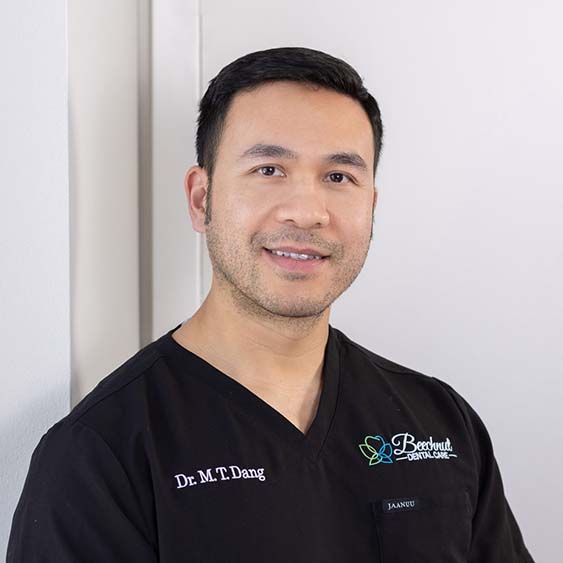
Dr. Mitch Dang graduated from the University of Texas Health Science Center at Houston and earned the Hanau Best of the Best Award of Excellence in Prosthodontics. He invests in technologies like Solea, CEREC same-day restorations, and GentleWave root canal treatment so that care is as comfortable and efficient as possible, and he will explain which approach makes sense for your situation.
Whether you need a simple filling or more involved soft tissue work, our team can help you understand how Solea laser treatment might shorten your recovery. We also offer flexible financing options, including Cherry, to make advanced dental care accessible. Complete our contact form to schedule your consultation.
Frequently Asked Questions About Solea Laser Recovery
Can I eat right after a Solea laser filling?
In most cases, yes. When a filling is done with the laser and no anesthetic, there is no numbness to wear off, so you can eat and drink normally once you leave. If a small amount of anesthetic was used, wait until feeling returns so you do not bite your cheek or tongue.
How long does gum tissue take to heal after laser treatment?
Minor soft tissue procedures often feel comfortable within a few days, and the tissue typically continues to heal over the next one to two weeks. Larger gum procedures or periodontal treatment can take longer to settle fully. We give you a timeline based on the specific treatment you receive.
Will I need stitches after a Solea procedure?
Usually not. Because the laser seals tissue as it works, most Solea soft tissue procedures do not require sutures. That also means there is typically no separate visit to have stitches removed.
Is laser dentistry completely pain-free?
Many patients feel little or no discomfort, and a lot of cavity treatments can be done without a numbing injection. Some people still notice mild tenderness or sensitivity afterward, especially after gum procedures. Comfort varies by person and procedure, and we can always adjust your care if you need more.
When should I call the dentist after laser treatment?
Call if bleeding does not stop with gentle pressure, swelling increases after the second day, you develop a fever, or pain worsens instead of improving. These problems are uncommon after laser procedures, but checking early helps keep healing on track.
