


Noticing your gums bleed when you brush or floss might seem like a minor inconvenience, but it could signal a more serious underlying condition. Periodontal disease affects millions of adults each year, yet many don’t recognize the warning signs until the condition has progressed. Understanding these early indicators can make the difference between simple treatment and extensive dental intervention that impacts your overall health and quality of life.
At Beechnut Dental Care, Dr. Mitch Dang and his team specialize in identifying and treating periodontal disease before it compromises your oral health. A graduate of the University of Texas Health Science Center and recipient of the Hanau Best of the Best Award of Excellence in Prosthodontics, Dr. Dang combines advanced technology with compassionate care to help patients maintain healthy gums and teeth. Through comprehensive periodontal assessments and personalized treatment plans, we work to restore your gum health and prevent future complications.
What Is Periodontal Disease?
Periodontal disease, commonly known as gum disease, is a chronic inflammatory condition that affects the tissues surrounding and supporting your teeth. It begins when bacteria in dental plaque accumulate along and beneath the gum line, triggering an inflammatory response. Without proper intervention, this inflammation can destroy the gum tissue, periodontal ligament, and bone that hold your teeth in place.
The condition progresses through stages, starting with gingivitis, the mildest form characterized by red, swollen gums that bleed easily. According to the National Institute of Dental and Craniofacial Research, 42.2% of adults 30 years or older have some form of periodontitis, with prevalence increasing significantly with age. If left untreated, gingivitis can progress to periodontitis, in which the gums pull away from the teeth, forming infected pockets. In severe cases, periodontal disease leads to tooth loss and has been linked to systemic health conditions, including cardiovascular disease and diabetes.
Bleeding Gums During Brushing or Flossing
Healthy gums should not bleed during routine oral care activities. When you notice blood on your toothbrush or dental floss, your gums are signaling inflammation and irritation. While occasional minor bleeding might occur if you’re too aggressive with brushing or if you just started flossing after a long break, persistent bleeding indicates that your gum tissue is fighting a bacterial infection.
This inflammation results from plaque buildup containing harmful bacteria that irritate the delicate gum tissue. As your immune system responds to these invaders, the increased blood flow to the area makes your gums more prone to bleeding. The bleeding serves as an early warning system that shouldn’t be ignored, as it often represents the transition from healthy gums to gingivitis, the earliest stage of periodontal disease.
Persistent Bad Breath or Bad Taste
Chronic bad breath that doesn’t improve with regular brushing, flossing, or mouthwash often points to periodontal disease. The bacteria responsible for gum disease produce sulfur compounds as they break down food particles and tissue, creating an unpleasant odor that persists regardless of your oral hygiene efforts. This distinct smell differs from temporary morning breath or the odor after eating pungent foods.
Accompanying the bad breath, you might experience a persistent bad taste in your mouth, sometimes described as metallic or bitter. This occurs as bacteria multiply in the periodontal pockets between your gums and teeth, releasing toxins that affect your sense of taste. Professional dental cleaning and periodontal treatment become essential to eliminate the bacterial colonies causing these symptoms and restore your oral health.
Receding Gums or Teeth Appearing Longer
When gums pull back or recede from the teeth, more of the tooth structure becomes visible, making your teeth appear longer than before. This recession exposes the tooth root, which lacks the protective enamel covering found on the crown. The exposed root surface feels rough and appears yellower than the rest of the tooth, creating both aesthetic and functional concerns.
Gum recession develops gradually, making it difficult to notice the changes without regular preventive dentistry examinations. As periodontal disease progresses, the attachment between your gums and teeth weakens, allowing the gum tissue to migrate down the root surface. This recession increases tooth sensitivity to temperature changes and sweet foods, while also creating additional areas where bacteria can accumulate and accelerate the disease process.
Loose or Shifting Teeth
Teeth that feel loose or shift position indicate that advanced periodontal disease has damaged the supporting bone structure. Healthy teeth remain firmly anchored in the jawbone through the periodontal ligament, but as periodontal disease destroys this bone, teeth lose their stable foundation. You might notice gaps developing between teeth that were previously close together, or teeth tilting in directions they shouldn’t.
This mobility progresses gradually as the disease advances, starting with subtle movement you might only detect when pressing on the tooth with your tongue or finger. Without intervention, the movement becomes more pronounced, potentially affecting your bite alignment and making chewing difficult. At this advanced stage, comprehensive periodontal treatment becomes crucial to preserve your natural teeth and prevent the need for restorative dentistry procedures such as dental implants or bridges.
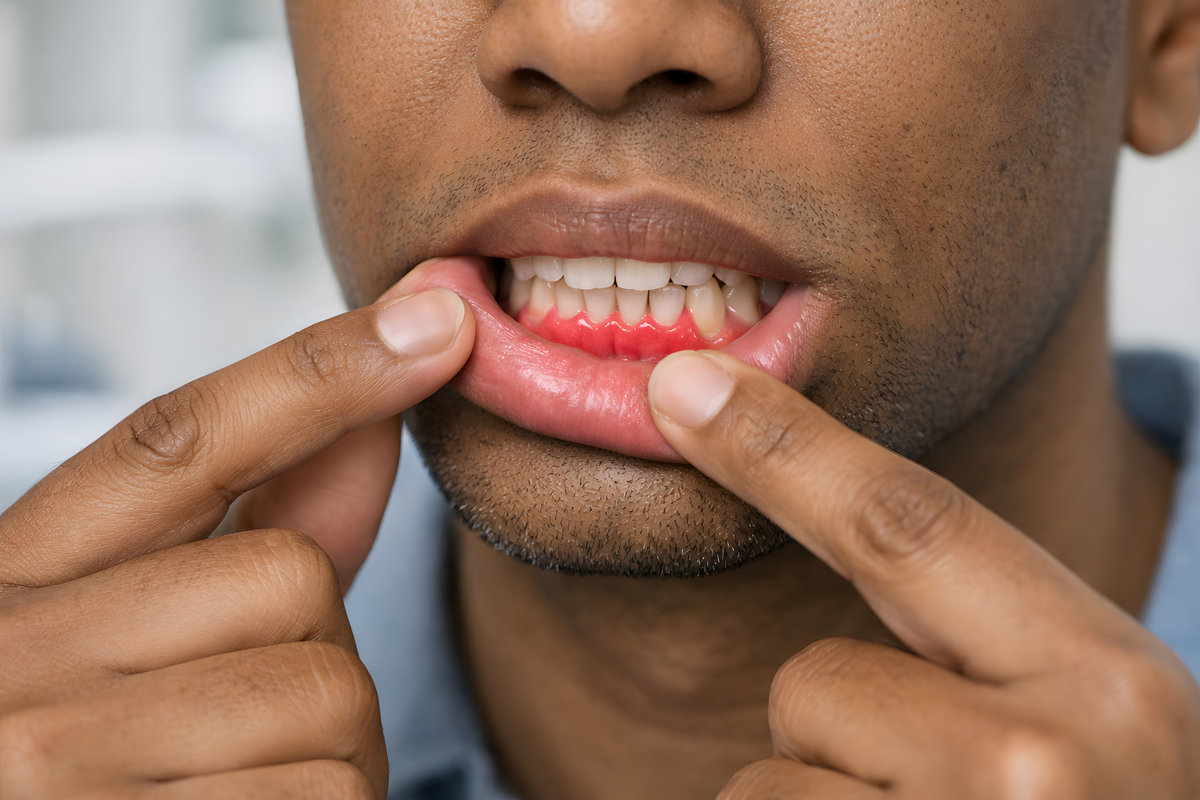
Swollen, Red, or Tender Gums
Healthy gums appear firm, pale pink, and fit snugly around the teeth. When periodontal disease develops, the inflammatory response causes gums to become swollen, bright red or purple, and tender to the touch. This puffiness occurs as your immune system increases blood flow to the infected area to help fight off the bacterial invasion affecting your gum tissue.
The tenderness makes eating uncomfortable, particularly when consuming crunchy or acidic foods that come into direct contact with the inflamed gums. You might avoid certain foods or alter your chewing patterns to minimize discomfort. The swelling can also make thorough oral hygiene challenging, as brushing and flossing become painful, potentially creating a cycle in which inadequate cleaning allows more bacteria to accumulate, worsening the inflammation.
Schedule Your Periodontal Evaluation at Beechnut Dental Care
Recognizing these warning signs early allows for more conservative treatment options and better long-term outcomes. Dr. Dang stays current with the latest advances in periodontal therapy through extensive continuing education, ensuring patients receive the most effective, evidence-based treatments available. Our practice offers flexible financing options through Cherry and works with patients to create payment plans that make necessary periodontal care accessible and affordable.
Don’t wait for periodontal disease to compromise your oral health and overall well-being. Contact our office today to schedule a comprehensive periodontal evaluation and take the first step toward restoring your gum health.