



Reviewed by Dr. Mitch Dang, DDS, Beechnut Dental Care
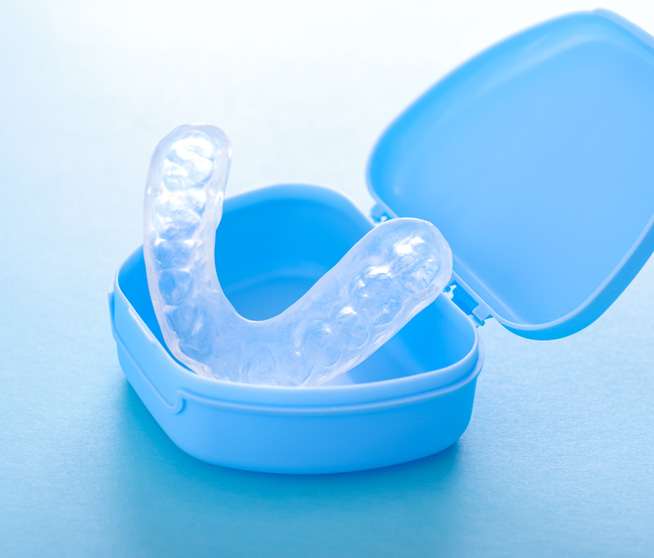
Waking up with a sore jaw, frequent headaches, or noticing your teeth appear worn down? These symptoms may indicate teeth grinding, medically known as bruxism. A night guard, a custom-made dental appliance worn while you sleep, can protect your teeth from the damage grinding causes, improve your sleep quality, and reduce jaw tension so you can get back to eating and talking comfortably.
At Beechnut Dental Care, we help patients identify the signs of teeth grinding and provide effective solutions like night guards to protect their teeth and alleviate symptoms. Our dental team offers comprehensive evaluations to determine whether a night guard would benefit you and creates custom-fitted options for optimal comfort and protection. With personalized care and advanced technology, you can get the treatment you need to preserve your oral health and improve your quality of life.
Common Signs You May Need a Night Guard
Teeth grinding during sleep is a common condition that can lead to serious dental issues if left untreated. If you have this habit, you are not alone. Over one in 10 adults grind their teeth and clench their jaw when they sleep. Signs that indicate you have bruxism and may need a night guard to protect your teeth include the following.
Jaw Pain and Fatigue
Do you wake up with soreness in your jaw? The temporomandibular joint connects your jawbone to your skull, and excessive grinding puts significant pressure on this joint. Morning jaw pain, stiffness, or clicking sounds when opening and closing your mouth may suggest nighttime grinding. You may also feel jaw discomfort throughout the day as muscles stay tense from nighttime grinding. A night guard can help relieve this tension and make daily activities less painful.
Headaches and Facial Pain
Frequent morning headaches, particularly around the temples, are a common sign of bruxism. The continuous muscle tension from grinding can trigger tension headaches that may extend to your neck and shoulders. You may also experience facial pain or earaches with no apparent cause. Wearing a night guard to sleep helps prevent the teeth grinding that can lead to this symptom.
Visible Tooth Damage
Grinding your teeth can physically wear them down, which may change how they look. You may need a night guard to protect your teeth from further damage if you notice the following:
- Flattened, fractured, or chipped teeth
- Worn tooth enamel, exposing deeper layers of your tooth
- Increased tooth sensitivity
- Teeth that appear shorter than they used to be
We can help identify these signs during regular dental checkups, making routine appointments an important part of catching bruxism early. If you would like more background on what causes bruxism in the first place, our guide to teeth grinding causes and treatment options covers the condition in more depth.
Sleep Disruption
Does your sleep partner complain about grinding sounds coming from your side of the bed? The noise bruxism produces can cause you to wake up frequently and feel unrested, no matter how many hours of sleep you get. This can significantly impact your ability to focus and remain alert and energized throughout the day.
Types of Night Guards: Custom Versus Store-Bought
Once you recognize the signs of bruxism, the next question is usually which type of night guard makes sense. Not all mouth guards are built for the same job, and choosing the wrong type can mean less protection or a poor fit. According to Cleveland Clinic, mouth guards generally fall into a few categories depending on their purpose and how they are made.
- Stock guards: Pre-formed and sold as-is at most drugstores, these are the least expensive option but often fit loosely and provide limited protection for bruxism.
- Boil-and-bite guards: These over-the-counter guards soften in hot water so you can bite down for a rough custom shape, offering a modest improvement over stock guards.
- Custom-fitted guards: Made from a dental impression of your own teeth and fabricated in a dental laboratory, these guards offer the closest fit, the most durable materials, and the most reliable protection against grinding.
It is also worth distinguishing a night guard from a sports mouthguard. Sports mouthguards are designed to absorb impact during athletic activity, while night guards are built to withstand the sustained, repetitive pressure of grinding over many hours of sleep. Because bruxism can apply significant force over time, a properly fitted, dentist-made night guard is generally the more dependable option for protecting your teeth long term.
What to Expect When Getting a Night Guard
If you experience bruxism symptoms, we closely examine your teeth, discuss possible contributing factors, and determine your treatment options, which may include a night guard. If you decide to get one, we take the following steps to help ensure your appliance fits comfortably and works effectively to protect your teeth.
Taking Dental Impressions
Our team takes precise impressions of your teeth, which capture the exact shape and alignment of your bite. The results act as a mold for your night guard, and we send the impressions to a dental laboratory for custom fabrication.
Custom Fabrication
Your dental impressions help create a night guard that precisely fits your teeth. The fabrication process usually takes one to two weeks, during which dental technicians craft your appliance using durable, medical-grade materials designed for your mouth’s unique contours.
Fitting and Adjustments
When your night guard is ready, you will return for a fitting appointment. We place the night guard in your mouth to check the fit and make any necessary adjustments, and we provide instructions on wearing and caring for your night guard so it stays effective and hygienic.
Caring for Your Night Guard
A custom night guard is an investment in your oral health, and proper care helps it last as long as possible. Most custom-made night guards remain effective for one to five years depending on the severity of grinding and how well the guard is maintained, though your dentist can give you a more specific estimate based on your bite. A few habits can help extend its lifespan and keep it sanitary.
- Rinse your night guard with cool water before and after each use
- Brush it gently with a soft toothbrush, avoiding toothpaste, which can be abrasive
- Store it in its ventilated case rather than a sealed container or tissue
- Keep it away from direct heat or sunlight, which can warp the material
- Bring it to your regular dental visits so we can check for cracks or wear
If your night guard feels loose, cracked, or uncomfortable, or if your grinding symptoms return despite consistent use, schedule a visit so we can evaluate whether an adjustment or replacement is needed. Maintaining your routine dental cleanings alongside night guard use also gives us the opportunity to monitor your teeth for any new signs of wear.
Get Relief From Teeth Grinding With the Team at Beechnut Dental Care
If you are experiencing the uncomfortable symptoms of teeth grinding, it is worth addressing them before permanent damage occurs. At Beechnut Dental Care, our team provides comprehensive evaluations to determine if a night guard is right for you and creates custom-fitted night guards designed for comfort and protection.
Our practice combines dental technology with personalized care to address your unique needs. With convenient appointment times, a comfortable environment, and financial plan options, we aim to make it easy to get the treatment you need. Contact us today to schedule an appointment.
Frequently Asked Questions About Night Guards for Teeth Grinding
What is the difference between a custom night guard and a store-bought mouth guard?
A custom night guard is made from an impression of your own teeth and fabricated in a dental laboratory, so it fits your bite precisely and holds up to nightly grinding. Store-bought options, including stock and boil-and-bite guards, are more affordable but tend to fit less securely and wear out faster, which can limit how well they protect your teeth.
How long does it take to get used to wearing a night guard?
Most people adjust to wearing a night guard within a few nights to a couple of weeks. It is normal to notice some added saliva or a feeling of fullness at first, and a well-fitted custom guard typically feels more comfortable sooner than an over-the-counter version. If discomfort continues beyond a couple of weeks, a follow-up visit can help determine whether an adjustment is needed.
How long does a night guard typically last?
A custom-made night guard can last anywhere from one to several years depending on the severity of your grinding, the material used, and how consistently you care for it. Bringing your night guard to regular dental checkups allows your dentist to check for cracks, thinning, or other signs that it may need to be replaced.
Can a night guard stop teeth grinding completely?
A night guard does not stop the grinding motion itself, but it creates a barrier between your upper and lower teeth so the force of grinding is absorbed by the appliance instead of your enamel. This helps prevent further wear, cracking, and jaw strain while you and your dentist address any underlying contributing factors.
How do I clean and care for my night guard?
Rinse your night guard with cool water before and after each use, and brush it gently with a soft toothbrush rather than abrasive toothpaste. Store it in a ventilated case away from direct heat or sunlight, since warmth can warp the material, and bring it to your dental visits so it can be checked for wear.
Is teeth grinding always caused by stress?
Stress and anxiety are common contributors to bruxism, but they are not the only factors. Misaligned teeth or bite issues, certain sleep disorders, and lifestyle habits can also play a role. Because the causes vary from person to person, a dental evaluation is the most reliable way to understand what may be contributing to your grinding.
About the Author
Dr. Mitch Dang is a dentist at Beechnut Dental Care in Houston, Texas, where he provides preventive, restorative, and cosmetic dental care, including custom night guards for patients with bruxism. Learn more on his bio page.
