

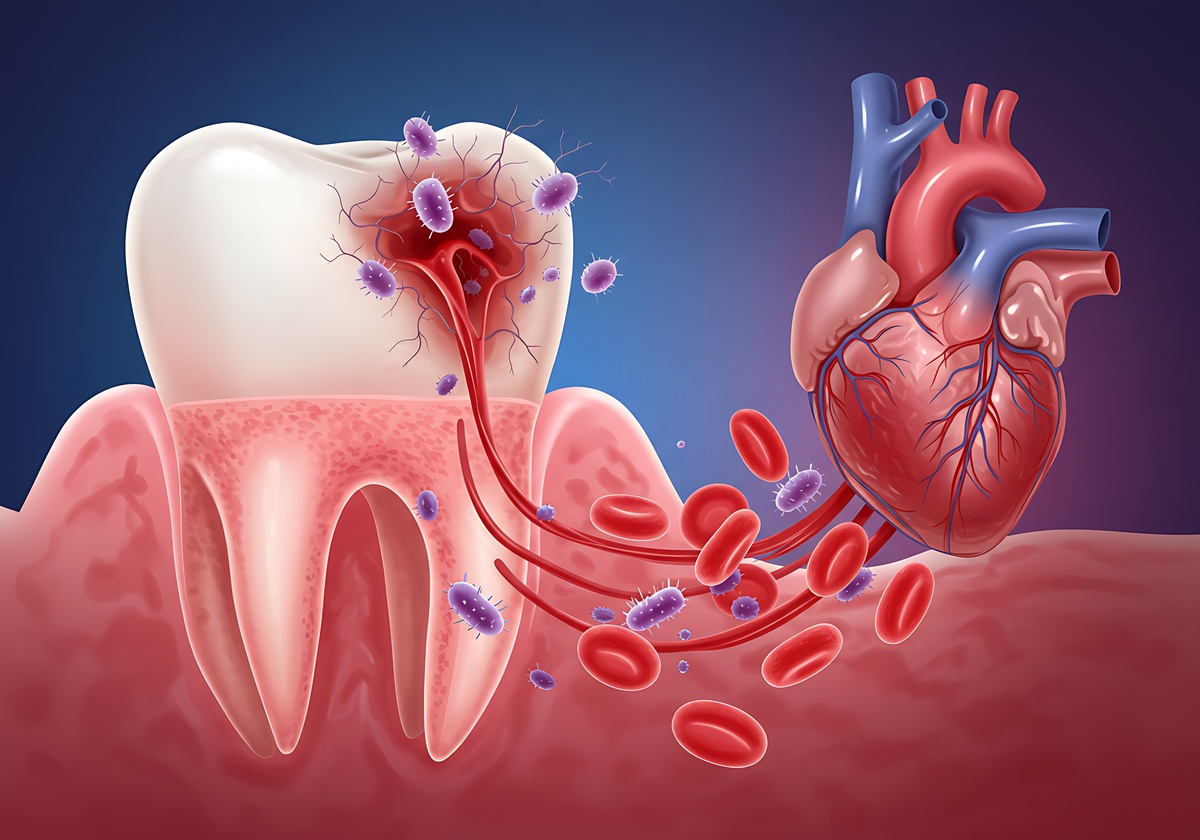

The link between your gums and your heart is stronger than you might think. Research shows that gum disease may increase your risk of heart disease and stroke. Bacteria from infected gums can enter your bloodstream and travel to your heart, potentially causing inflammation in blood vessels and contributing to cardiovascular problems.
At Beechnut Dental Care, we help you protect both your smile and your overall health through comprehensive gum disease prevention and treatment. Dr. Dang and our team provide thorough dental cleanings, personalized oral hygiene guidance, and advanced periodontal care, including Solea laser, to keep your gums healthy and reduce your risk of heart disease.
How Gum Disease Develops
Gum disease begins when plaque builds up along your gum line. This sticky film of bacteria hardens into tartar if not removed through regular brushing and flossing. Your gums become inflamed, pulling away from your teeth and creating pockets where more bacteria can hide.
In its early stage, called gingivitis, your gums may bleed when you brush or appear red and swollen. Left untreated, it can progress to periodontitis, a more severe form where the infection damages the soft tissue and bone supporting your teeth. Chronic periodontitis affects 47.2% of adults over 30 in the United States and can lead to tooth loss if not properly managed.
The Pathway from Mouth to Heart
When you have gum disease, bacteria from your mouth can enter your bloodstream through bleeding gums. These bacteria don’t stay in your mouth. They travel throughout your body, including to your heart and blood vessels.
Once in your bloodstream, these oral bacteria may attach to damaged areas in your blood vessels. This can cause inflammation and contribute to the formation of arterial plaque. The inflammation may narrow your arteries, making it harder for blood to flow to your heart and other vital organs.
Some researchers believe the same bacteria found in infected gums have been discovered in arterial plaque from heart disease patients. While this doesn’t prove gum disease directly causes heart disease, it suggests a significant connection worth your attention.
Risk Factors You Share
Gum disease and heart disease share several common risk factors. Smoking increases your risk for both conditions by weakening your immune system and reducing blood flow throughout your body. People with diabetes face higher risks of developing both gum disease and cardiovascular problems because high blood sugar can damage blood vessels and reduce your body’s ability to fight infection.
Your diet also plays a role. A diet high in sugar and processed foods can contribute to both conditions. Poor nutrition weakens your immune system, making it harder for your body to fight off bacteria in your mouth and maintain healthy blood vessels. Additionally, stress, obesity, and a sedentary lifestyle can increase your vulnerability to both gum disease and heart problems.
Warning Signs to Watch
Recognizing the early signs of gum disease helps you protect both your oral health and your heart. Bleeding gums when you brush or floss shouldn’t be ignored. Persistent bad breath, even after brushing, can indicate bacterial buildup. You might notice your gums looking red, swollen, or tender to the touch.
As gum disease progresses, your gums may recede, making your teeth appear longer. You might experience sensitivity when eating or drinking hot or cold foods. Some people notice their teeth feel loose or that their bite has changed. If you see pus between your teeth and gums, it signals a serious infection that requires immediate attention.
How Regular Dental Care Protects Your Heart
Professional dental cleanings remove plaque and tartar that your toothbrush can’t reach. During these visits, your dental team checks for early signs of gum disease and can treat problems before they become severe. Regular cleanings every six months keep bacteria levels under control and reduce inflammation in your mouth.
Your dental visits also provide your dentist with the opportunity to spot other health concerns. Changes in your mouth can sometimes indicate systemic health issues, including heart disease risk factors. Early detection and treatment of gum disease may help reduce your overall cardiovascular risk. At Beechnut Dental Care, Dr. Dang and our team provide comprehensive preventive care to help you maintain healthy gums and support your overall wellness.
Daily Habits That Make a Difference
Brushing twice a day for two minutes each time removes plaque before it hardens into tartar. Use a soft-bristled toothbrush and fluoride toothpaste, making sure to brush along the gum line where bacteria tend to accumulate. Replace your toothbrush every 3 to 4 months, or sooner if the bristles become frayed.
Flossing once daily reaches the spaces between your teeth where your toothbrush can’t clean. This removes food particles and plaque from between teeth and just below the gum line. If traditional floss feels difficult to use, try floss picks or a water flosser as alternatives. Adding an antimicrobial mouthwash to your routine can help reduce bacteria in your mouth.
Treatment Options for Gum Disease
If you develop gum disease, several treatment options can help restore your gum health. In the early stages, a professional cleaning combined with improved home care may be enough to reverse the damage. Your dentist might recommend more frequent cleanings to keep bacteria under control.
For more advanced gum disease, you may need scaling and root planing. This deep cleaning removes bacteria and tartar from below the gum line and smooths the tooth roots to help your gums reattach. At Beechnut Dental Care, we also offer Solea laser treatment, a pain-free, anesthesia-free option for treating gum disease. This advanced laser technology allows us to address periodontal concerns with minimal discomfort and no needles, making your treatment experience more comfortable while promoting faster healing.
Throughout treatment, we focus on helping you establish effective home care habits. Controlling gum disease requires ongoing commitment to your oral hygiene routine and regular dental visits. With proper care, many people successfully manage gum disease and reduce their associated health risks.
Protect Your Heart by Caring for Your Gums at Beechnut Dental Care
Your gum health directly impacts your overall wellness. Don’t wait until bleeding gums or persistent bad breath become serious problems. Schedule your comprehensive dental exam today to assess your gum health and receive personalized treatment recommendations. Dr. Dang will evaluate your oral health, check for signs of gum disease, and create a preventive care plan tailored to your needs.
Take the first step toward protecting both your smile and your heart. Contact us at Beechnut Dental Care to book your appointment. Our experienced team is ready to help you achieve optimal gum health and support your overall wellness.
