




Medically Reviewed on September 9, 2026
GentleWave changes root canal recovery by cleaning the tooth’s canal system with fluid dynamics and acoustic energy instead of aggressive mechanical filing, which typically means less trauma to the tooth structure and a noticeably smoother few days afterward. Most patients report mild tenderness rather than the lingering soreness often associated with traditional root canal treatment.
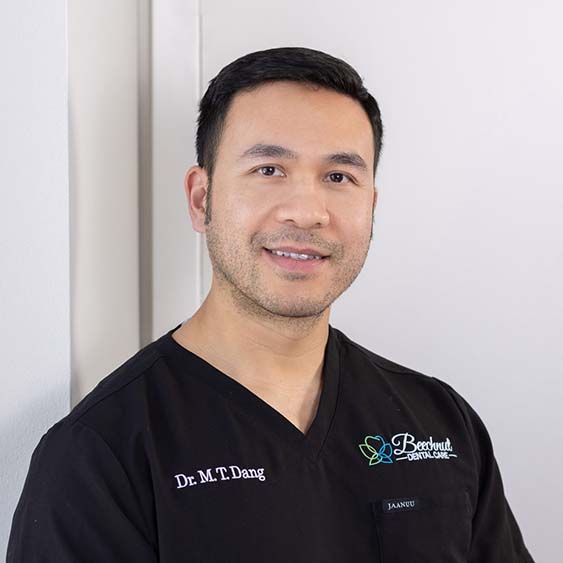
At Beechnut Dental Care in Houston, we offer root canal therapy using the GentleWave system, a technology designed to clean the root canal system more thoroughly with significantly less physical disruption to the tooth. Dr. Mitch Dang, a University of Texas Health Science Center graduate and recipient of the Hanau Best of the Best Award of Excellence in Prosthodontics, brings a high standard of precision and care to every root canal procedure we perform.
What Makes GentleWave Different
Traditional root canal procedures rely on mechanical filing to clean the inside of the tooth. Small files are used to scrape away infected tissue and debris, which is effective but can leave behind bacteria in the complex network of tiny canals that branch off the main root. GentleWave takes a fundamentally different approach.
The GentleWave system uses a combination of broad-spectrum acoustic energy and optimized irrigants delivered in a continuous, vortex-like flow to clean the entire root canal system, including the areas files cannot physically reach. This multisonic cleaning technology allows clinicians to use minimal instrumentation while still achieving a high level of decontamination. A narrative review published in a 2022 PMC systematic review of GentleWave clinical outcomes analyzed 24 studies and found the system demonstrated strong performance in disinfection and debris removal across the root canal system, with a reported clinical success rate above 97%.
Less Instrumentation, Less Trauma
Because GentleWave relies on fluid dynamics rather than aggressive mechanical filing, the tooth structure remains more intact after treatment. Fewer filings means less stress placed on the root walls, which directly impacts how the tooth feels in the days following the procedure. Patients often report a noticeably smoother recovery compared to traditional root canals, with reduced post-operative discomfort.
Thorough Cleaning Supports Better Healing
When bacteria are left behind in the canal system, the body continues responding to the infection, which can prolong inflammation and discomfort. GentleWave’s ability to reach accessory canals and the irregular spaces within the root gives the immune system a better environment to complete the healing process. Cleaner canals mean less residual bacterial activity, which translates to a faster, more comfortable recovery.
What to Expect After a GentleWave Root Canal
Recovery from a GentleWave root canal looks similar to traditional aftercare in structure, but patients typically experience less intensity in their symptoms. Some mild tenderness in the surrounding tissue is normal in the first day or two, as the area heals from the procedure itself.
Here are the most important aftercare guidelines to follow.
- Soft foods: Stick to soft foods for the first 24 to 48 hours to avoid putting pressure on the treated tooth.
- Over-the-counter relief: Ibuprofen or acetaminophen can manage any mild discomfort during the first couple of days.
- Avoid hard or crunchy foods: Until your permanent restoration is in place, protect the tooth from fracture by avoiding harder foods.
- Good oral hygiene: Continue brushing and flossing normally, being gentle around the treated area.
- Follow-up appointment: Return as scheduled so we can place a final restoration and confirm healing is on track.
Following these steps helps protect the work done and allows the surrounding tissue to heal without complication.
How Long Discomfort Typically Lasts
Most patients notice tenderness fading within two to three days, which is shorter than the week or more of soreness some people associate with older root canal techniques. If discomfort is increasing rather than improving after the first few days, or if you notice swelling, fever, or a bad taste that will not go away, contact our office rather than waiting it out, since these can be signs that need prompt attention.
Why the Restoration Matters
The root canal procedure itself is only part of the picture. Once the canal is cleaned and sealed, the tooth needs a restoration, typically a crown, to protect it from fracture and restore full function. We offer CEREC same-day crowns at our office, which means patients can often complete both the root canal and their final restoration in fewer visits. This continuity of care reduces the window of time the tooth is vulnerable and supports a more seamless recovery overall.
For patients whose tooth pain was connected to a deeper issue requiring more urgent attention, our team is also equipped to handle dental emergencies with the same attention to technology and patient comfort. If you are still weighing whether a root canal or extraction makes more sense for your tooth, our comparison of root canal versus tooth extraction covers that decision in more detail.
How GentleWave Fits Into Our Broader Approach to Technology
GentleWave is not the only advanced technology we rely on at Beechnut Dental Care. We have invested in laser dentistry and other precision tools to ensure patients receive care that is as minimally invasive as possible across all services. The philosophy is consistent: the less trauma a procedure introduces, the better and faster a patient heals. GentleWave reflects that same principle applied specifically to endodontic care.
Experience Better Root Canal Recovery at Beechnut Dental Care
Dr. Mitch Dang and the team at Beechnut Dental Care are committed to delivering root canal treatment that is thorough, precise, and designed with recovery in mind. Dr. Dang’s academic training at the University of Texas Health Science Center, combined with his recognition in prosthodontics, reflects a practice built on clinical excellence and a genuine commitment to patient outcomes. We also offer flexible financing options, including Cherry financing, and work with patients to find a payment plan that fits their needs.
If you have been putting off a root canal because of concerns about recovery, let us show you what GentleWave treatment looks like in our hands. Contact our office to schedule your consultation and take the first step toward saving your tooth with less discomfort and a faster road to feeling like yourself again.
Frequently Asked Questions About GentleWave Root Canal Recovery
Is GentleWave suitable for every root canal case?
GentleWave works well for the majority of root canal cases, but every tooth is evaluated individually based on its anatomy and the extent of infection. We confirm during your exam whether GentleWave or another approach is the better fit for your specific tooth.
Does GentleWave cost more than a traditional root canal?
Pricing is generally comparable to traditional root canal therapy, since GentleWave is a cleaning method within the same overall procedure rather than a separate treatment. We provide a clear cost estimate, including any restoration needed afterward, before treatment begins.
Will I still need a crown after a GentleWave root canal?
In most cases, yes. A crown protects the treated tooth from fracture once the canal has been cleaned and sealed, regardless of which cleaning method was used during the root canal itself.
How soon can I eat normally after treatment?
Most patients stick to soft foods for the first 24 to 48 hours, then gradually return to their normal diet as tenderness fades. Avoid chewing directly on the treated tooth until your permanent restoration is placed.
Does GentleWave hurt less than a traditional root canal?
The procedure itself is performed under local anesthesia either way, so it should not be painful in the chair. Where GentleWave tends to make a difference is afterward, since less mechanical trauma to the tooth generally means milder post-procedure soreness.
