




Getting a dental crown used to mean two separate appointments, a mouthful of goopy impression material, and days of waiting with a temporary crown that never felt quite right. Today, digital technology has changed everything about how crowns are made, fitting better, lasting longer, and putting far less burden on the patient throughout the process. If you have been putting off a crown because of bad memories or lingering anxiety, it may be worth taking a closer look at what modern dentistry can offer.
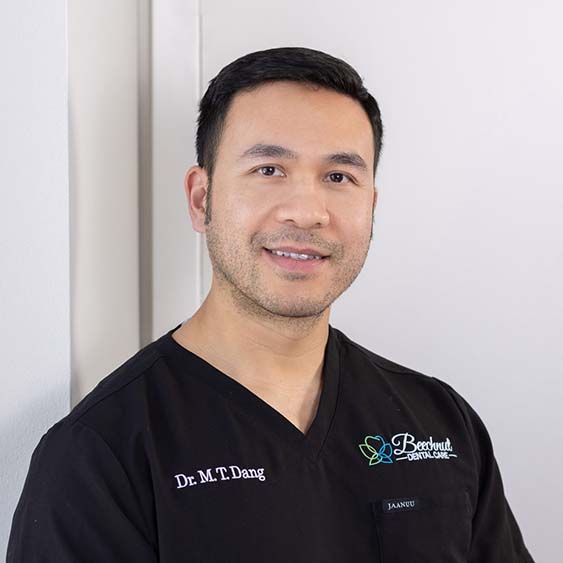
At Beechnut Dental Care, Dr. Mitch Dang uses CEREC same-day crown technology to deliver precision restorations in a single visit. As a recipient of the Hanau Best of the Best Award of Excellence in Prosthodontics from UT Health Science Center Houston, Dr. Dang brings a deep foundation in restorative principles to every crown he places. Our CEREC crowns give patients a faster, more accurate experience without sacrificing the quality that defines great dental work.
Why Traditional Crown Impressions Fall Short
For decades, getting a crown started with a process most patients dreaded. A thick, putty-like material would be pressed into a tray and placed over your prepared tooth. You had to hold still while it hardened, often triggering a gag reflex or significant discomfort. Once the impression was taken, it was sent to an off-site lab, introducing the potential for distortion during transport or pouring. Small inaccuracies in that impression could translate into a crown that did not seat properly, required excessive adjustments, or caused bite problems after placement.
The lab timeline added another layer of inconvenience. Patients wore temporary crowns for one to two weeks, waiting for the permanent restoration to come back. Temporaries are not designed to last. They can chip, loosen, or shift, and they rarely feel as comfortable or natural as the final crown should. The entire process placed unnecessary strain on patients who simply needed a reliable solution for a damaged tooth.
How Digital Scanning Changes the Accuracy Equation
Digital impressions replace putty trays with a small handheld scanner that captures thousands of data points per second, building a precise three-dimensional model of your tooth and surrounding structures. There is no gagging, no waiting for material to set, and no risk of the impression shifting during handling. That digital model goes directly into the design software, eliminating the variables that introduced error in the traditional workflow.
Research published in the National Institutes of Health found that digital impressions using CEREC technology produced chairside crowns with marginal fit accuracy comparable to conventional lab-fabricated crowns, while requiring significantly less chair time during the impression process. Precision at the margins is one of the most important factors in crown longevity, since a poor marginal fit allows bacteria to enter and can lead to decay under the restoration over time.
Milling the Crown in the Same Appointment
Once the digital scan is complete, the design software creates a restoration based on the exact contours of your tooth and bite. A milling unit then carves the crown from a high-quality ceramic block right in the office. At Beechnut Dental Care, this means patients who come in for a dental crown can leave with their permanent restoration the same day. There is no temporary crown, no second appointment, and no waiting period.
What Happens During a Digital Crown Appointment
A same-day crown visit typically follows a predictable rhythm. The tooth is prepared and any decay is removed, the digital scanner captures the new contours, and the design software builds a virtual model of the restoration while you wait. The milling unit then shapes the crown from a solid ceramic block, a process that generally takes fifteen to twenty minutes. Once the crown is milled, it is checked for fit and bite, polished, and bonded into place, all within a single appointment.
Materials Used in Digitally Designed Crowns
Same-day crowns are typically milled from lithium disilicate or zirconia ceramic blocks, both of which are prized for their strength and their ability to mimic the translucency of natural enamel. Lithium disilicate blends durability with a lifelike appearance, making it a common choice for crowns in the visible smile line. Zirconia offers additional strength for molars and areas that handle heavier biting forces. Your dentist selects the material based on the tooth’s location, the forces it will bear, and your cosmetic priorities.
What Patients Notice After a Digitally Designed Crown
The benefits of digital crown technology are not just technical. Patients feel the difference in real, practical ways:
- The crown fits more naturally from the first moment it is placed.
- Bite adjustments are minimal compared to lab-fabricated restorations.
- No soreness or fatigue from holding a tray in place during impressions.
- No temporary crown means no risk of a loose or broken placeholder between visits.
- The appointment is shorter, and the outcome is immediate.
These improvements matter most for patients who avoided crowns in the past because of time or discomfort concerns. Digital technology removes much of what made the experience difficult.
The Role of Technology in a Better Patient Experience
Our investment in advanced technology reflects a commitment that goes beyond simply getting the job done. Dr. Dang has spent years incorporating tools that make dentistry more predictable, less invasive, and more comfortable. From CEREC same-day crowns to guided implant surgery using CBCT imaging, every system we adopt is chosen because it produces better outcomes for our patients, not just faster ones.
A well-fitting crown is also a long-lasting one. When the margins seal properly and the bite is balanced correctly from the start, the restoration can serve a patient well for many years. Digital workflows make that outcome more consistent and more reproducible across every case, regardless of the complexity.
How Long Do Digitally Designed Crowns Last?
With proper care, ceramic crowns placed using digital technology commonly last ten to fifteen years or longer. Longevity depends on the material selected, the location of the tooth, and how consistently you keep up with brushing, flossing, and routine dental visits. Grinding or clenching can shorten a crown’s lifespan, which is one reason many patients pair a new crown with a nightguard if bruxism is a factor. Avoiding hard foods like ice and hard candy on the restored tooth also helps protect the margins over time.
Are You a Candidate for a Same-Day Crown?
Most patients who need a crown due to a large filling, a cracked tooth, or a tooth following a root canal are good candidates for the same-day process. Cases involving significant bone loss around the tooth, very limited working space, or certain complex bite issues may still require a lab-fabricated crown. Your dentist can confirm candidacy during your exam, often on the same visit you come in for an evaluation.
Frequently Asked Questions About Same-Day Crowns
How long does a same-day CEREC crown appointment take?
Most same-day crown appointments take roughly two to three hours from start to finish, including preparation, scanning, milling, and placement. The milling step itself generally takes fifteen to twenty minutes once the design is finalized.
Are digitally designed crowns as strong as traditional lab-made crowns?
Digitally milled ceramic crowns made from lithium disilicate or zirconia are comparable in strength and durability to conventional lab-fabricated crowns. Research has shown that CEREC crowns achieve marginal fit accuracy similar to traditional restorations while requiring less chair time to produce.
Does dental insurance cover CEREC same-day crowns?
Most dental insurance plans cover same-day crowns at a similar rate to traditional crowns, since both are classified as major restorative procedures. Coverage amounts and waiting periods vary by plan, so it is worth confirming your specific benefits before treatment.
What materials are used for same-day crowns?
Same-day crowns are typically milled from lithium disilicate or zirconia ceramic blocks. Lithium disilicate offers a lifelike, translucent appearance suited to front teeth, while zirconia provides added strength for molars that handle heavier biting forces.
How do I care for a new crown after it is placed?
Brush and floss around the crown just as you would a natural tooth, and keep up with routine dental visits so the margins can be checked over time. Avoiding hard foods like ice on the restored tooth and addressing teeth grinding with a nightguard, if needed, helps the crown last as long as possible.
Experience Same-Day Crowns at Beechnut Dental Care
At Beechnut Dental Care, we believe that getting a crown should feel like a straightforward solution, not a drawn-out ordeal. Our same-day crowns and bridges give patients the precision and durability they expect, delivered in a single appointment with technology that sets a higher standard for fit and comfort. If a crown follows a root canal or replaces a large filling that can no longer support the tooth, the same digital workflow applies. We also offer flexible financing options through CareCredit and Cherry Financing, and our team will work with you to find a payment plan that fits your situation.
When you are ready to restore your smile without the wait, we are here to help. Complete our new patient forms and reach out through our contact form to schedule your visit with Dr. Dang and the Beechnut Dental Care team.
