




Medically Reviewed on September 9, 2026
CEREC same-day crowns and traditional lab-made crowns both restore a damaged tooth to full strength, but the difference comes down to speed and process: a CEREC crown is designed, milled, and seated in a single visit, while a traditional crown requires a temporary and a two-to-three week wait for a dental lab to fabricate the final restoration. Both hold up well for everyday chewing and biting, so the right choice usually depends on your schedule, your tooth’s condition, and where in your mouth the crown is going.
At Beechnut Dental Care, we use CEREC technology to design and mill crowns chairside, giving Southwest Houston patients a faster path to a fully restored tooth without sacrificing fit or durability.
How CEREC Same Day Crowns Work
Traditional crowns rely on a physical impression sent to an outside dental lab, where a technician fabricates the restoration over one to two weeks. During that window, patients wear a temporary crown that can loosen, wear down, or let in sensitivity around the prepared tooth.
CEREC changes this process by keeping design and fabrication in the office. We use an intraoral scanner to capture a precise digital impression of the prepared tooth, eliminating the need for the thick putty trays associated with older impression methods. That digital file is used to design the crown on screen, then a milling unit carves the restoration from a solid ceramic block while the patient waits.
From Scan to Seated Crown
Once the digital design is finalized, the milling unit shapes the ceramic block into the crown in a matter of minutes. We then check the fit, adjust the bite, and bond the finished crown to the tooth, all typically within a single visit.
Comparing Fit, Material, and Durability
A common question is whether a same-day crown holds up as well as one made in a dental lab. The ceramic materials used in CEREC restorations are engineered specifically for chairside milling and are designed to match the strength of traditional lab-made crowns for most everyday chewing and biting forces.
Research on chairside CAD/CAM restorations has found that same-day milled crowns made from modern ceramic materials perform comparably to conventional lab-fabricated crowns in clinical use, according to a peer-reviewed review of chairside CAD/CAM materials. The digital scanning process also tends to produce a more consistent, accurate fit than traditional putty impressions, which can shift or distort before reaching the lab.
Where Traditional Lab Crowns Still Make Sense
Traditional crowns are not obsolete. Certain complex cases, such as crowns that need to match a very specific shade across multiple teeth or restorations built alongside extensive bridgework, sometimes benefit from a dental laboratory’s additional layering and staining techniques. We evaluate each case individually rather than defaulting to one method for every patient.
Who Benefits Most from a Same Day Crown
Same-day crowns are often the right fit for patients who need a cracked, worn, or heavily decayed tooth restored without the hassle of a second appointment. This approach fits naturally alongside our other in-house dental technology, allowing us to plan and complete more restorative work in fewer visits.
Before recommending a same-day crown, we walk through a few things with every patient, including the following.
- Tooth condition: whether enough healthy structure remains to support a milled crown without additional building up first.
- Bite alignment: how the opposing teeth meet so the crown feels natural once seated.
- Location in the mouth: since molars and front teeth carry different esthetic and functional demands.
- Existing restorations: including whether a bridge or other restorative work is already in place nearby.
Once we confirm a same-day crown is the right option, we can usually move straight from the exam into the scanning and design phase, which keeps the whole visit efficient. For patients who need more extensive rebuilding, we may recommend a full evaluation through our restorative dentistry services before moving forward, and our same-day crowns and bridges page walks through additional restoration combinations we offer.
What to Expect During Your Visit
A same-day crown visit typically starts the same way a traditional crown appointment would, with numbing and preparation of the tooth to remove decay or damage. From there, the process diverges since we scan rather than take a physical impression, and the wait for a finished restoration is measured in minutes rather than weeks.
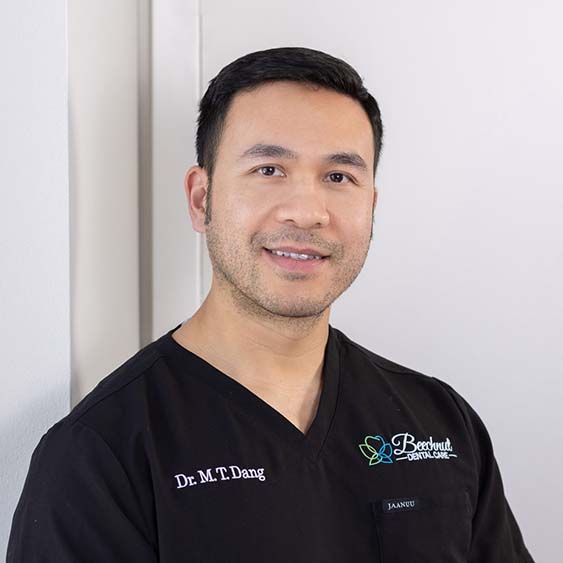
Dr. Mitch Dang brings prosthodontic-level expertise to this process, recognized through the Hanau Best of the Best Award of Excellence in Prosthodontics, which reflects an advanced understanding of how crowns, bite, and bridges work together. That background is part of why we can confidently design and seat same-day restorations for a wide range of cases at our Meyerland area practice.
Caring for a New Crown
Once your crown is bonded, it functions like a natural tooth. Brush and floss around it normally, and avoid habits like chewing ice or using your teeth to open packaging, since these can chip ceramic restorations over time regardless of how they were made. Routine cleanings and exams let us confirm the crown margin stays sealed and check for any shifts in your bite.
What This Means If You Have an Urgent Tooth Problem
Patients often reach out about same-day crowns because a tooth broke unexpectedly or a large filling failed, and waiting two weeks with a temporary is not appealing. Because CEREC keeps the entire process in-house, we can often see a patient with a fractured or heavily damaged tooth and complete both the preparation and the final restoration in one appointment. If your situation involves pain, swelling, or a tooth that has broken at the gumline, our dental emergencies team can evaluate whether a same-day crown or another restorative option is the right next step.
Restore Your Smile with Beechnut Dental Care
If a damaged, cracked, or heavily worn tooth has been on your mind, a same-day crown may be the most convenient way to get it fixed without disrupting your week. We also offer financing options and will work with you to find a payment plan that fits your budget, so cost does not have to stand between you and a restored tooth.
Reach out through our contact form to schedule a visit and find out whether a CEREC same-day crown is the right choice for your smile.
Frequently Asked Questions About CEREC Same-Day Crowns
How long do CEREC same-day crowns last?
With proper care, ceramic same-day crowns typically last ten to fifteen years or longer, similar to traditional lab-made crowns. Lifespan depends more on how well you brush, floss, and avoid habits like chewing ice than on whether the crown was milled chairside or made in a lab.
Does dental insurance cover CEREC crowns?
Most dental insurance plans cover crowns at the same rate whether they are milled chairside or fabricated in a lab, since coverage is typically based on the procedure rather than the manufacturing method. We verify your specific benefits before treatment so you know your out-of-pocket cost in advance.
Can a same-day crown be placed on a front tooth?
Yes, CEREC ceramic blocks come in a range of shades and translucencies suited to front teeth. For cases with especially demanding esthetic requirements, such as matching a very specific shade gradient, we discuss whether a chairside crown or a lab-layered crown will blend best with your smile.
Is getting a CEREC crown painful?
The tooth is numbed before preparation just as it would be for a traditional crown, so the appointment itself should not be painful. Mild sensitivity around the gumline for a day or two afterward is common and typically resolves on its own.
What happens if my new crown needs an adjustment?
Because the crown is milled in-house, small bite or shape adjustments can often be made chairside before you leave. If sensitivity or a bite issue develops after you go home, contact our office and we will schedule a follow-up to fine-tune the fit.
