


Beechnut Website favicon Icon
Dental Implant

Dental Implants: Benefits for Long-Term Oral Health

December 27, 2024
December 27, 2024
Dental Implant
December 27, 2024

Dental Implants: Benefits for Long-Term Oral Health

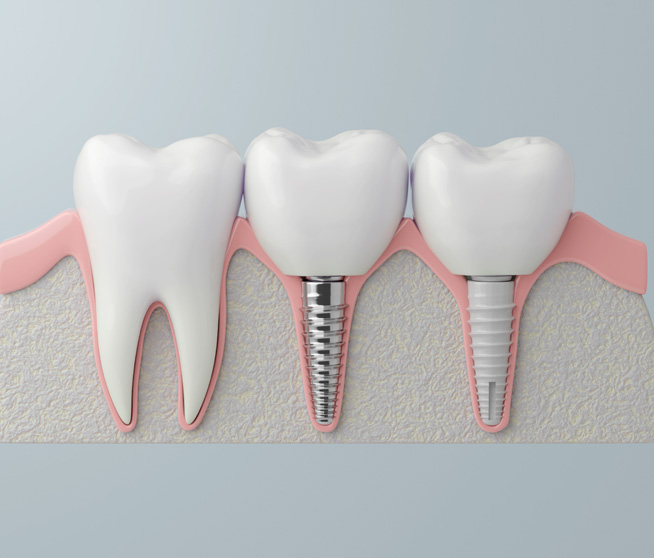
A dental implant is not just a replacement for a missing tooth; it is a long-term investment in your oral health, comfort, and confidence. Unlike dentures or bridges that rest on or around existing teeth and gum tissue, a dental implant is designed to fuse with the jawbone itself, creating a stable, natural-feeling foundation for a replacement tooth. Beyond the visual benefits, dental implants can help preserve bone density, reduce the risk of future dental problems, and prevent the surrounding teeth from shifting out of alignment. Because of this, choosing dental implants can make a meaningful difference in building a healthier smile for years to come.

At Beechnut Dental Care, we offer advanced, tailored solutions for patients considering dental implants as part of a restorative dentistry plan. With years of experience and training recognized through awards like the Hanau Best of the Best Award in Prosthodontics, our team focuses on delivering results that look natural and function well for the long term. Every treatment plan is built around your specific needs, whether you are replacing a single tooth or considering a full implant restoration. Our patient-centered approach starts with a thorough conversation about your goals and your current oral health, so any recommendation reflects your situation rather than a one-size-fits-all plan.

Durability and Longevity of Dental Implants

One of the primary advantages of a dental implant over other restorative options is its strength and durability. Because a dental implant is surgically anchored into the jawbone, it forms a firm attachment that can withstand the same everyday pressure as a natural tooth. Implants are typically made from titanium or titanium alloys, which are highly resistant to decay and fracture and are well tolerated by the surrounding bone.

Dental implants are also known for their longevity compared to other tooth replacement options. Dentures often need adjustment or replacement every five to ten years, and dental bridges commonly last around ten to fifteen years. A dental implant, by contrast, can last for decades or even a lifetime when it is placed correctly and cared for consistently, which is one reason many patients compare their options in detail before choosing between a bridge and an implant.

How Dental Implants Help Preserve Jawbone Health

When a tooth is lost, the jawbone beneath it can begin to lose density because it no longer receives the stimulation it needs from a healthy tooth root. A dental implant helps prevent this deterioration because it functions like an artificial tooth root, transferring that same type of stimulation into the bone whenever you bite or chew.

Preserving this bone structure supports more than just the implant site. It also helps maintain the shape of your jaw and face over time, and it can reduce the risk of additional tooth loss or shifting in the surrounding teeth. According to the Cleveland Clinic, dental implants are also associated with a lower risk of gum disease and decay around the treated area because they close the gap where food and bacteria would otherwise collect.

Natural-Looking, Confidence-Restoring Results

Dental implants remain one of the most natural-looking options for replacing a missing tooth. The visible portion of the implant, the crown, is typically made from materials like porcelain, ceramic, or zirconia, which are designed to mimic the color and translucency of natural enamel. Your dentist will use a shade guide to help match the restoration to your existing teeth so the result blends in rather than standing out.

Because the crown sits on a stable post anchored in the jawbone, it also tends to hold its shape and position better over time than a removable appliance. Many patients say this combination of a natural appearance and a secure fit is what makes them feel comfortable smiling, eating, and speaking in social and professional settings again.

Restoring Bite Function and Everyday Comfort

Empty spaces left by missing teeth can cause the surrounding teeth to shift out of position over time. This shift can lead to bite and alignment problems that affect how comfortably you eat and speak. Dental implants fill these gaps and help keep the rest of your teeth properly aligned.

Because implants are anchored directly into the jawbone, they also tend to feel more secure than removable options. Most patients are able to chew and speak normally without worrying that their implant will shift, click, or come loose during daily use.

This added stability can make everyday activities like eating firmer foods, laughing, or speaking in public feel less stressful. Over time, many patients find they stop thinking about the replaced tooth altogether because it functions so much like the rest of their natural teeth.

What to Expect During the Dental Implant Process

Every treatment plan looks a little different depending on the number of teeth being replaced and the condition of the underlying jawbone, but the general process usually follows a similar path. Your dentist will first evaluate your oral health, often with the help of digital imaging, to confirm that you have enough healthy bone to support an implant. From there, treatment generally involves the following steps.

  • A consultation and imaging review to plan the placement and size of the implant
  • Placement of the titanium implant post into the jawbone
  • A healing period that allows the implant to fuse with the surrounding bone
  • Attachment of an abutment and a custom-made crown once healing is complete

Recovery time varies from patient to patient, and your dentist will walk you through what to expect at each stage, including how to care for the surgical site while it heals.

Who Is a Good Candidate for Dental Implants

Dental implants are a strong option for many adults, but they are not automatically the right fit for everyone. Candidacy generally depends on factors like the amount of healthy jawbone available, overall gum health, and whether any medical conditions could affect healing. A thorough evaluation with your dentist, which may include advanced imaging to assess bone volume, is the best way to determine whether implants are a good fit for your specific situation or whether another restorative option would serve you better.

Caring for Your Dental Implants Long Term

Although a dental implant itself cannot develop decay, the surrounding gum tissue and bone still need regular care to stay healthy. Good long-term habits typically include daily brushing and flossing around the implant, routine professional cleanings, and prompt attention to any soreness, looseness, or changes near the implant site. With consistent care, most implants continue functioning well for many years, which is part of why patients are encouraged to keep up with regular checkups rather than treating the implant as a one-time fix. Habits like avoiding tobacco use, wearing a nightguard if you grind your teeth, and telling your dentist about any new medications or health changes can also help protect your implant over the long run.

If you are also weighing recovery expectations for an upcoming or recent procedure, our complete guide to dental implant recovery and aftercare covers what to expect in more detail.

Restore Your Smile With Beechnut Dental Care

Our team at Beechnut Dental Care understands how a missing or damaged tooth can affect your daily life, from how you eat and speak to how confident you feel in your smile. That is why we focus on long-lasting, personalized solutions like dental implants designed to look and feel natural. With years of experience and advanced training in prosthodontics, our team builds treatment plans around your specific oral health needs.

Cost and insurance coverage are common considerations when planning treatment, and our financial information page outlines the payment and insurance options we accept. When you are ready to explore your options for a healthier, more confident smile, fill out our contact form to schedule a consultation.

Frequently Asked Questions About Dental Implants and Long-Term Oral Health

How long do dental implants typically last?

Dental implants are designed to be a long-term solution, and many patients keep the same implant for decades or even a lifetime when the surrounding bone and gum tissue stay healthy and the person keeps up with routine dental visits. The exact lifespan of an individual implant depends on factors like oral hygiene, overall health, and how well the implant was placed and maintained.

Are dental implants a better long-term option than dentures or bridges?

Dental implants tend to offer more stability and durability than dentures or bridges because they are anchored directly into the jawbone rather than resting on the gums or nearby teeth. That said, the right option depends on factors such as jawbone health, budget, and personal preference, so it is worth discussing dentures, bridges, and implants with your dentist before deciding which approach fits your situation best.

What does the dental implant procedure generally involve?

The process typically starts with an evaluation and imaging to confirm you have enough healthy jawbone to support an implant. From there, the implant post is placed into the bone, followed by a healing period so it can fuse with the surrounding tissue, and finally an abutment and custom crown are attached to complete the restoration.

Who is a good candidate for dental implants?

Many adults with one or more missing teeth are candidates for dental implants, provided they have adequate jawbone density and healthy gums and do not have certain untreated medical conditions that could interfere with healing. A dental evaluation, which may include imaging to assess the jawbone, is the most reliable way to find out whether implants are the right choice for you.

Does dental insurance cover the cost of dental implants?

Coverage for dental implants varies widely between insurance plans, and some plans cover a portion of the procedure while others do not cover implants at all. Reviewing your specific plan details or speaking with the practice’s financial team can help clarify what portion of treatment, if any, your insurance is likely to cover.

Google★★★★★4.9(285)
Beech Nut Dental Care website logo

No Insurance? We have you covered!