




Medically Reviewed on September 9, 2026
Clear aligners are right for you if you have mild to moderate crowding, gaps, or bite issues, healthy gums, and enough discipline to wear the trays 20 to 22 hours a day for months at a time. They will not replace fixed braces for severe bite problems, complex rotations, or significant jaw discrepancies, but for the majority of adults asking about a straighter smile, they are a proven, comfortable option.
At Beechnut Dental Care, we help patients throughout Houston achieve healthier, more confident smiles through personalized cosmetic dentistry treatments. Our team evaluates each patient’s bite, gum health, and lifestyle to determine whether clear aligners or another orthodontic approach will deliver the best results, and we walk through every step of that decision together before any tray is made.
How Clear Aligners Work
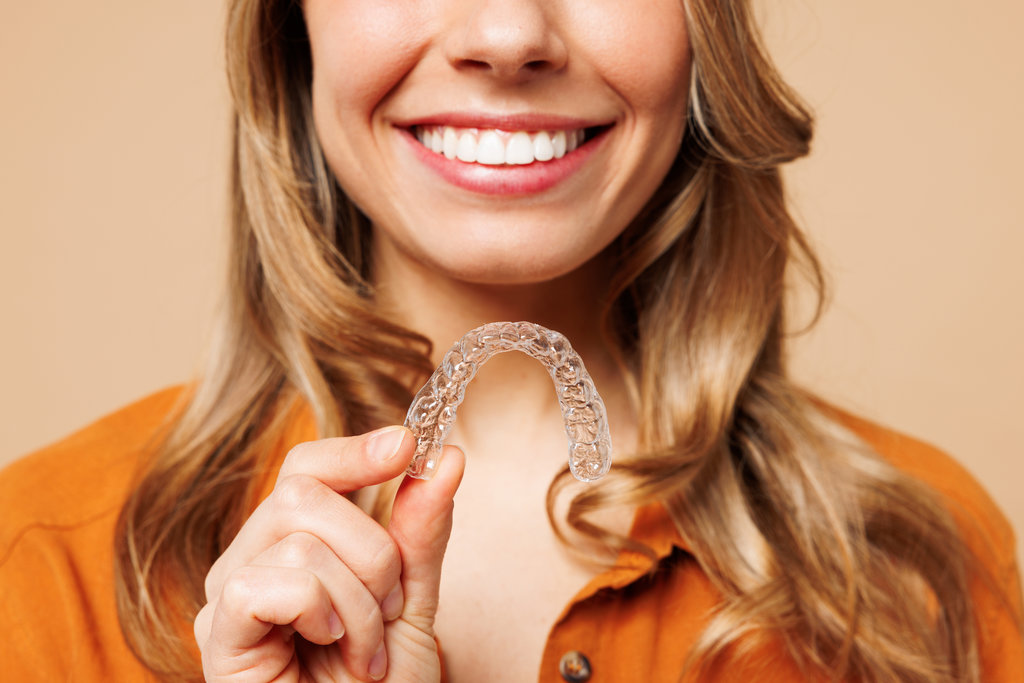
Clear aligners are custom-made plastic trays designed to strategically shift your teeth into proper alignment. Unlike traditional braces, these removable trays are nearly invisible when worn, making them a preferred choice for adults and teens who want a more discreet orthodontic option. Each set of aligners applies gentle, consistent pressure to move your teeth incrementally, and you will switch to a new set every one to two weeks as your treatment progresses.
Most patients wear their aligners for 20 to 22 hours per day, removing them only for meals and oral hygiene. This consistent wear time is essential for achieving your desired results within the projected timeline. How long treatment takes depends mostly on how far your teeth need to move and how consistently you wear your trays, and we break down typical timelines by case type in our guide to how long clear aligner treatment takes for adults. This page focuses on the question that comes first: whether aligners suit your teeth, gums, and habits at all.
What Happens at Your First Fitting
Before your first tray is ever made, we take digital scans of your bite instead of the messy impressions older orthodontic systems relied on. Those scans feed into software that maps out every planned movement of your teeth from your current position to your finished smile, so you can see a preview of your results before committing to treatment. From there, your aligners are manufactured in a series, and we schedule check-ins roughly every six to eight weeks to confirm your teeth are tracking with the plan.
Who Makes a Good Candidate
Clear aligners are practical for correcting mild to moderate orthodontic issues. You may be an ideal candidate if you have crowded teeth, gaps between teeth, overbites, underbites, or crossbites that fall within a moderate range of severity.
Your oral health plays a major role as well, since you will need healthy gums and enough bone support to withstand the gradual movement that aligners create. Patients with active gum disease or untreated decay typically need those issues resolved first, which is one reason a comprehensive exam always comes before a treatment plan.
Fortunately, age is not typically a barrier. Adults who did not have braces as children often choose clear aligners because they fit seamlessly into professional and social settings. Teenagers can also use them, though younger patients need to demonstrate the responsibility required to wear aligners as directed and keep track of their trays.
When Traditional Braces Are the Better Fit
Some situations call for traditional braces instead. Severe bite issues, significant tooth rotation, skeletal jaw discrepancies, or cases involving multiple missing teeth that need space managed carefully may require the more precise, continuous control that fixed braces provide. We assess your specific situation during a consultation and will tell you directly if a different approach fits your case better, rather than steering every patient toward the same solution.
A Quick Self-Check Before Your Consultation
Only an exam and digital scan can confirm candidacy, but a few honest answers can tell you whether aligners are worth exploring before you book. Work through these questions and bring your answers to your visit.
- What bothers you most? Crowding, small gaps, or teeth that have drifted since childhood braces are often good aligner cases, while a bite that feels off when you chew may need a closer look.
- Have your gums been checked recently? Bleeding when you brush, tender gums, or a cleaning that is more than a year overdue usually means gum health comes first.
- Do you have implants, crowns, or bridges? Dental implants are fused to the bone and do not move with orthodontic treatment, so they shape how the rest of your plan is designed.
- Can you keep trays in for 20 to 22 hours a day? Frequent snacking, sipping sweet drinks, or a schedule that makes it hard to brush before putting trays back in can slow your progress.
- Do you clench or grind your teeth? Grinding does not rule you out, but it affects tray wear and what you will need for retention once treatment ends.
If most of your answers point toward aligners, a consultation is the next step. If several raise questions, that does not mean straightening is off the table. It usually means a short period of preparation, such as a professional dental cleaning or gum treatment, before trays are made.
Benefits Beyond Aesthetics
The visual appeal of clear aligners is apparent, but these devices also offer practical advantages. You can remove your aligners when eating, which means no food restrictions. You will not have to avoid popcorn, apples, or sticky foods the way you would with braces, which makes it easier to maintain your regular diet and enjoy meals without worry.
Oral hygiene becomes simpler as well. You can brush and floss your teeth normally rather than navigating around brackets and wires, which lowers your risk of developing cavities or gum inflammation during treatment. The smooth plastic material is also more comfortable than metal hardware, with no sharp edges to irritate your cheeks or gums.
Clear aligners fit into busy lifestyles without disrupting your routine. You will not need frequent adjustment appointments. Instead, you will check in with us periodically to monitor your progress and pick up your next sets of aligners, and many patients appreciate the convenience of fewer office visits compared to traditional orthodontic treatment.
What to Consider Before Starting
While clear aligners offer many benefits, they require commitment. You need to wear them consistently to see results. If you frequently forget or feel tempted to skip wearing your aligners, you may not achieve your treatment goals on schedule, since discipline matters more with this approach than with fixed braces.
The cost of clear aligners varies depending on the complexity and duration of your treatment. We accept insurance and offer financial options, including third-party financing, to make treatment more accessible. During your consultation, we provide a precise estimate and discuss payment plans that fit your budget.
Some people experience minor discomfort when they switch to a new set of aligners. This pressure sensation is normal and indicates that your teeth are moving as planned. The feeling typically fades within a day or two as your mouth adjusts to the new position. If you have concerns about sensitivity or any other aspect of treatment, we are always available to address them.
How Clear Aligners Fit Into Your Broader Smile Goals
Straightening your teeth is often just one part of a larger smile goal. Many patients who complete clear aligner treatment go on to add teeth whitening or porcelain veneers once their bite is aligned, since straight teeth create a more predictable, even surface for cosmetic work. Others simply want their existing smile to look its best without any additional treatment, and aligners alone accomplish that.
If you are unsure what your finished result might look like, our smile gallery shows real examples of the transformations our patients have achieved, which can help you set realistic expectations before you begin. Dr. Dang reviews cases individually, since two patients with similar starting smiles can still need different treatment lengths depending on bone density, bite pattern, and how consistently they wear their trays.
Experience Quality Care at Beechnut Dental Care
Choosing the right orthodontic treatment is a personal decision that depends on your smile goals, lifestyle, and dental health. Dr. Dang and our dedicated team at Beechnut Dental Care combine years of experience with a commitment to providing personalized care for every patient. We use advanced technology and proven techniques to help you achieve the smile you have always wanted.
Whether you are interested in clear aligners, teeth whitening, or other cosmetic treatments, we are here to support you every step of the way. Ready to discover if clear aligners are the right choice for you? Contact us today to schedule your consultation and take the first step toward a healthier, more confident smile.
Frequently Asked Questions About Clear Aligners
How much do clear aligners typically cost?
Cost depends on how many trays your treatment requires and how long you need to wear them. Mild cases with fewer trays cost less than complex cases needing a year or more of treatment. We provide a precise quote after your consultation and offer financing options so cost does not stand between you and a straighter smile.
Can teenagers use clear aligners instead of braces?
Yes, many teenagers are good candidates once their adult teeth have come in. The main consideration is responsibility, since aligners only work if they are worn as directed and not repeatedly lost or forgotten. We evaluate maturity alongside orthodontic need before recommending aligners over fixed braces for a younger patient.
Do clear aligners hurt more than braces?
Most patients describe aligner pressure as milder and shorter lived than the soreness caused by braces adjustments. You may feel tightness for a day or two after switching to a new tray, which signals your teeth are moving, but there are no wires or brackets to irritate your cheeks and lips.
How often will I need to visit the dentist during treatment?
Check-ins are typically scheduled every six to eight weeks so we can confirm your teeth are tracking with the digital plan and hand you your next several sets of trays. This is far less frequent than the monthly adjustments traditional braces usually require.
What should I do if I lose or crack an aligner tray?
Contact our office as soon as possible rather than skipping ahead to your next tray on your own. Depending on how far along you are in treatment, we may have you return to a previous tray temporarily or move you forward safely while a replacement is made, so your treatment plan stays on track.
